
Will the Sorrow of St. Martin Come to an End !
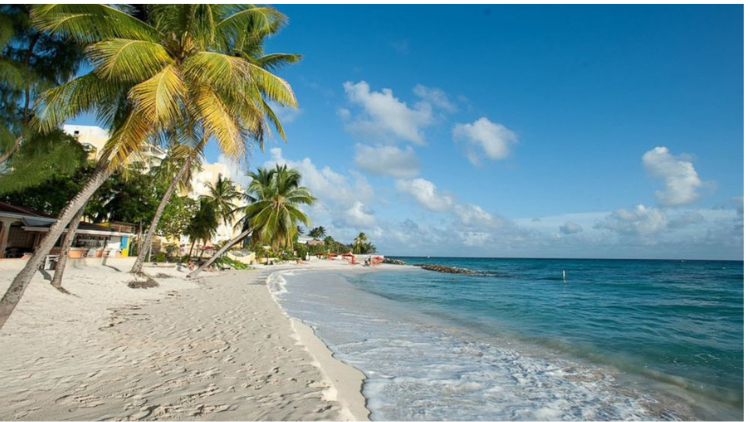 St. Martin Island captures both its breathtaking beauty and the pressing environmental challenges it faces. St. Martin, often celebrated for its serene beaches, vibrant biodiversity, and the unique coral ecosystems, is now grappling with the harsh realities of environmental degradation. The contrast between its natural splendor and the destructive impact of unchecked tourism, pollution, and illegal construction is deeply concerning.
The history of St. Martin’s environmental protection efforts is a mix of commendable initiatives and frustrating setbacks. The declaration of St. Martin as an Environmentally Critical Area (ECA) in 1999 was a crucial step, intended to safeguard the island’s delicate ecosystems. However, the effectiveness of such measures has been compromised by inconsistent enforcement and the continued exploitation of the island’s resources.

The recent discussions about limiting tourist numbers, as well as the idea of introducing a registration system for visitors, reflect a growing awareness of the need to protect St. Martin. These steps, if implemented properly, could help mitigate the pressure on the island’s environment. Professor Saidur Rahman Chowdhury’s emphasis on scientifically determining the island’s capacity for tourists is particularly important. Without such evidence-based measures, any restrictions might either be too lenient or overly strict, failing to achieve the intended balance.
The situation is indeed urgent. The loss of coral, highlighted by research predicting the complete disappearance of St. Martin’s coral by 2045, serves as a stark warning. Coral reefs are not just visually stunning; they are vital to marine life, supporting a diverse range of species and protecting coastlines from erosion.
Your concern for St. Martin resonates with the broader global struggle to balance tourism and development with the preservation of natural habitats. The island’s fate will depend on the actions taken now to enforce existing protections, raise awareness among tourists, and ensure that development is sustainable. It’s a poignant reminder that the beauty of places like St. Martin is fragile, and without careful stewardship, it can be lost forever.

Copyright © The Asian Times 2024-25